
The Proportionality Theorem, which is the origin of the so-called golden ratio, is credited to Theano. It is also known as divine proportion, and it is the origin of so-called "golden or perfect rectangle" and "golden spiral" that can be found in art and in nature.
It is a proportion: "The whole is to the greater part, as that part is to what is left". a+ba=ab

Answer:
1. The golden number can be obtained by applying it to the rectangle of credit cards or ID cards. Measure the longest side (a) and divide it by the shortest side (b) and check the resulting number. It is, thus, a golden rectangle.
2. The golden number is represented by the Greek letter Φ (Phi) in honour of the architect and sculptor who used it in the proportions of his sculptures. Find who he was and to which famous sculpture of the Acropolis it was applied.
3. The golden rectangle determined the measures of the emblematic temple of the acropolis too. What is the name of this building? What does its name mean? What sculpture was contained in it? When was it built?

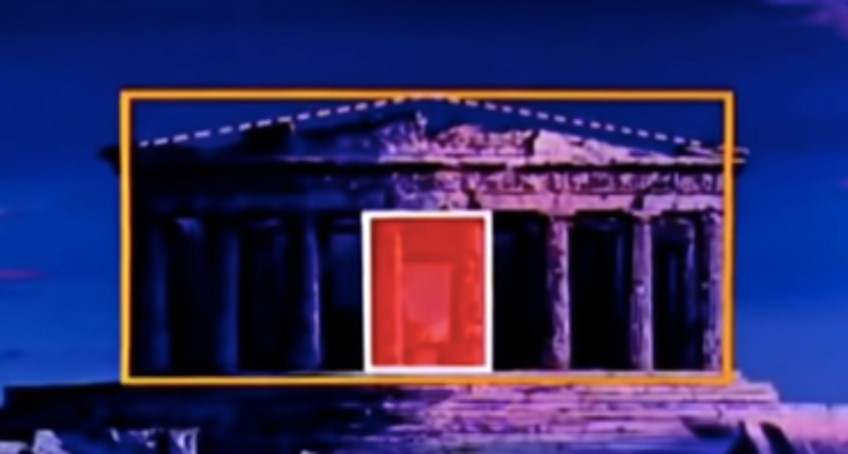


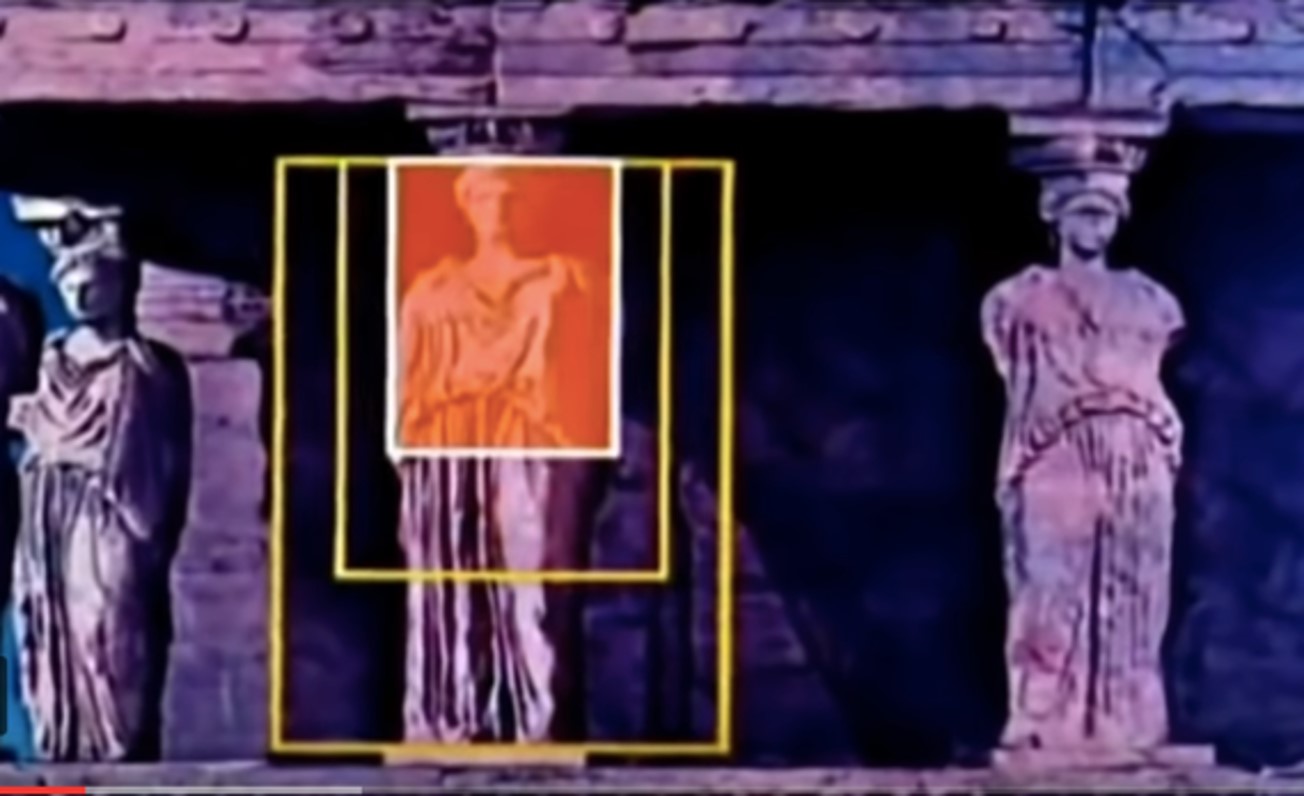
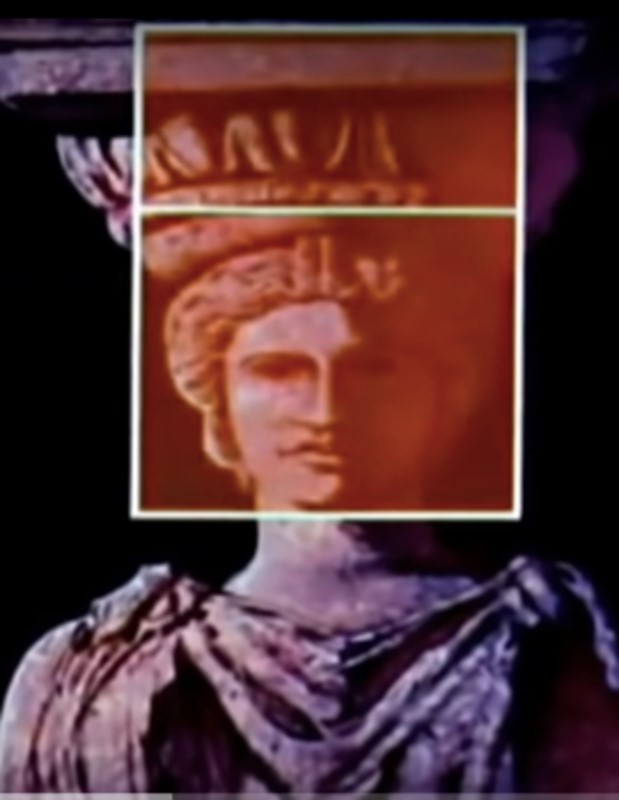
4. The following image corresponds to another building of the Acropolis in Athens. Look how this proportion is also maintained in the body of the women in the columns. What is the name of this temple? Who are these women? How is it possible that these women's thin neck support so much weight?
5. The golden proportion continued to be applied in architecture after ancient Greece time and it can be found in several buildings through history. Look up for buildings in which golden proportion has been applied, in different eras and places. Renaissance painters used it in their paintings too.