The golden ratio in Greek art.
Personatges:
Tema: The golden number
Competències
Competència en Comunicació Lingüística
Competència personal, social i aprendre a aprendre
Competència en consciència i expressions culturals
Matèries i cursos per Sistema Educatiu
Espanya > Cultura Clàssica > 4t ESO > Continuïtat del patrimoni cultural. Literatura, art i ciència
Enunciat

The Proportionality Theorem, which is the origin of the so-called golden ratio, is credited to Theano. It is also known as divine proportion, and it is the origin of so-called "golden or perfect rectangle" and "golden spiral" that can be found in art and in nature.
It is a proportion: "The whole is to the greater part, as that part is to what is left". a+ba=ab

Answer:
1. The golden number can be obtained by applying it to the rectangle of credit cards or ID cards. Measure the longest side (a) and divide it by the shortest side (b) and check the resulting number. It is, thus, a golden rectangle.
2. The golden number is represented by the Greek letter Φ (Phi) in honour of the architect and sculptor who used it in the proportions of his sculptures. Find who he was and to which famous sculpture of the Acropolis it was applied.
3. The golden rectangle determined the measures of the emblematic temple of the acropolis too. What is the name of this building? What does its name mean? What sculpture was contained in it? When was it built?
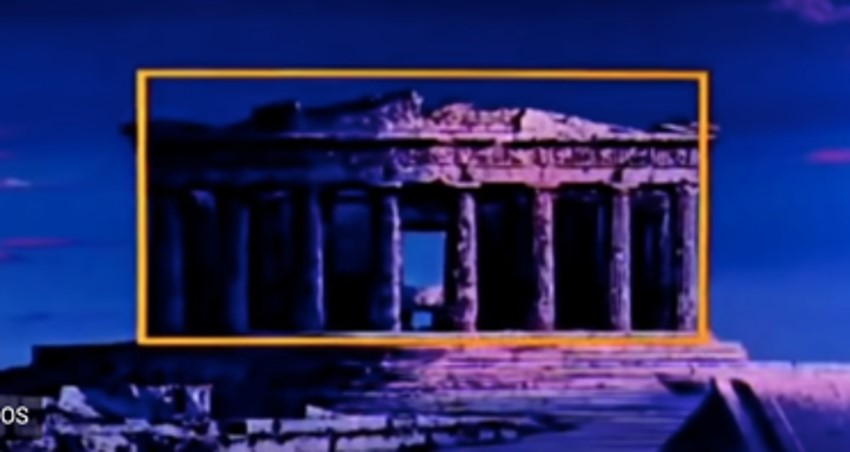
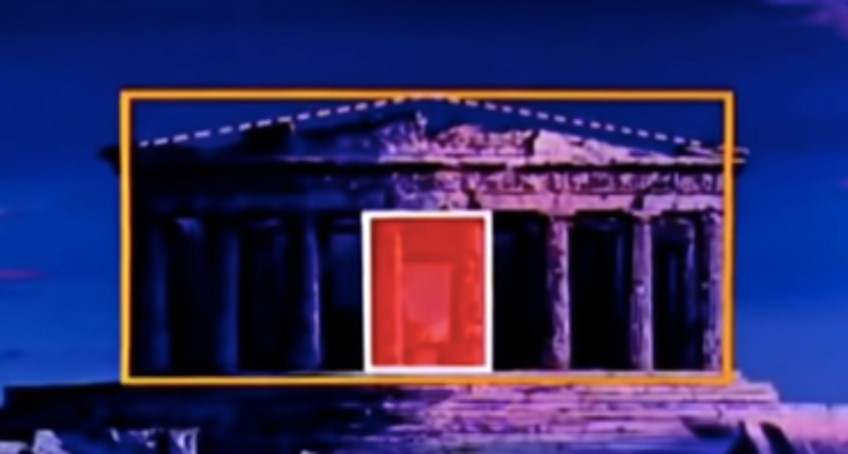
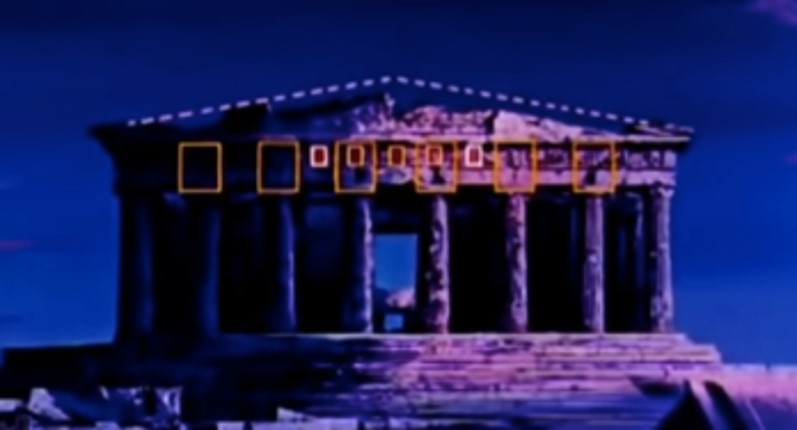
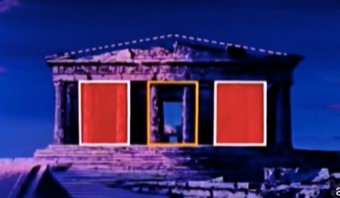
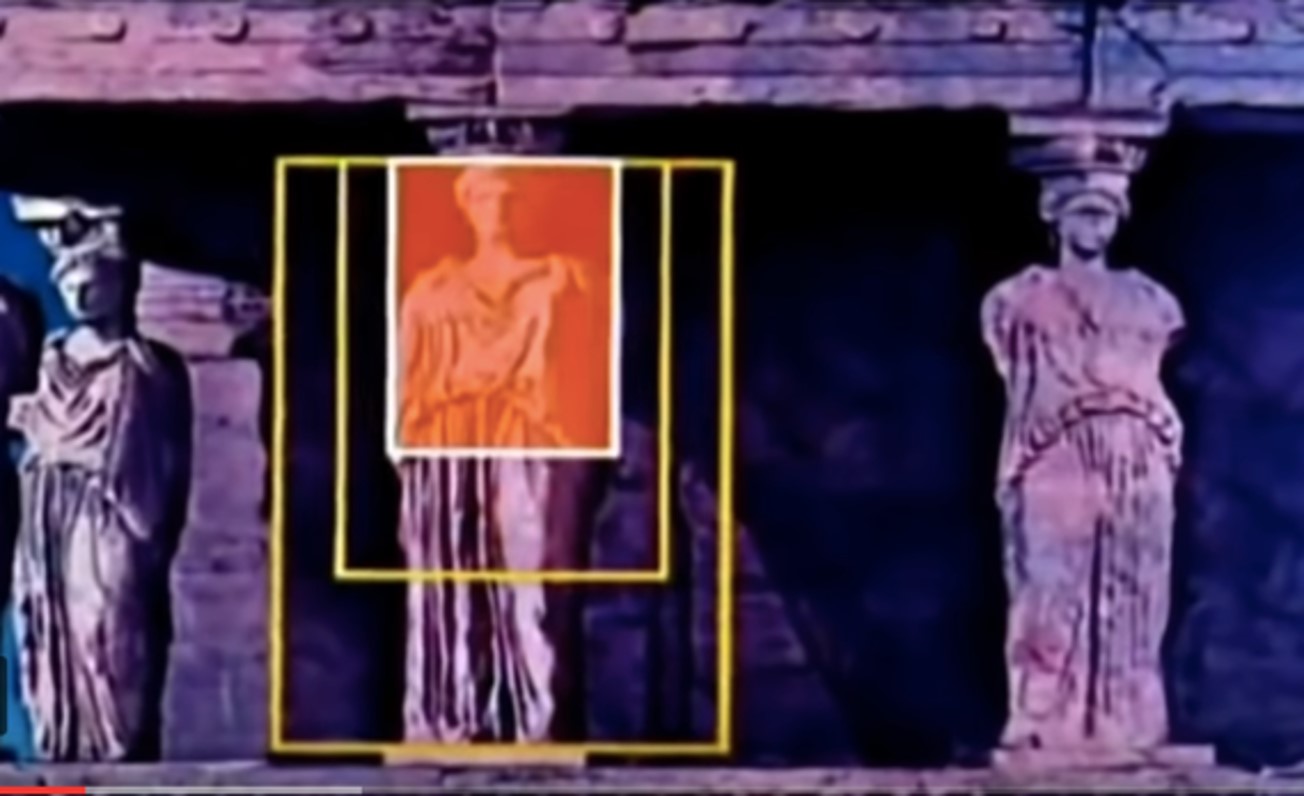
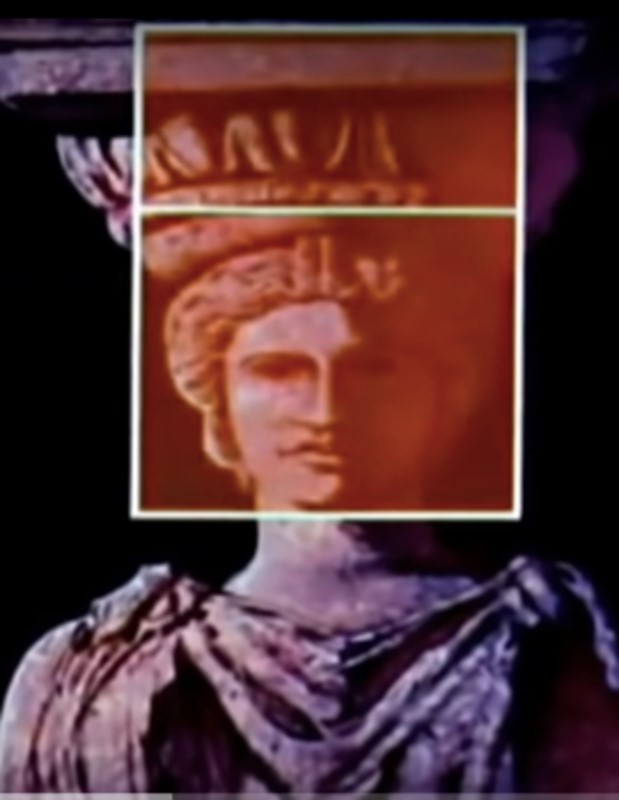
4. The following image corresponds to another building of the Acropolis in Athens. Look how this proportion is also maintained in the body of the women in the columns. What is the name of this temple? Who are these women? How is it possible that these women's thin neck support so much weight?
5. The golden proportion continued to be applied in architecture after ancient Greece time and it can be found in several buildings through history. Look up for buildings in which golden proportion has been applied, in different eras and places. Renaissance painters used it in their paintings too.
Observacions i context
Crotone was in Theanus' time a colony of Magna Graecia.
Enheduanna (25th century BC) was a predecessor of Theano of Crotone. She is considered to be the first woman in the history of science and the first one to sign her work, in cuneiform; as well the Egyptian physician Peseshet or the Assyrian perfumers like Taputti, who paved the way for later women.
Some of Theano's contemporaries are other women in the Pythagorean school that were born around 500 BC, such as Damo, Myia and Arignote of Crotona, considered to be daughters of Theano and Pythagoras by several authors. Even though there is not much information about them, some other women belonging to this group were Babelica of Argos, Beo of Argos, Quilonis, Equecratia de Fliunte, Ecelo and Ocelo of Lucania, Habrotelia of Tarento, Cleecma, Cratesiclea, Lastenia of Arcadia, Pisirroda of Tarento, Fintis, Teadusa, Timica and Tirsenis of Sibaris.
Following Theano, we can find Aglaonice (3rd century BC, known for her ability to predict eclipses) and Hypatia (4th century AD).
Perhaps, the golden number is the first irrational number known by the Greeks. Irrational numbers are those having infinite non-periodic decimals, i.e. none of the decimal parts are repeated, as opposed to periodic decimals such as 10/3= 3.33. This contradicted some of the philosophy theories of the Pythagorean, since they linked mathematics with their philosophical vision of the world. That is why they decided to keep secret this discovery.
Descripció
To understand how golden ratio is applied in Greek art.